
Seed To Tree
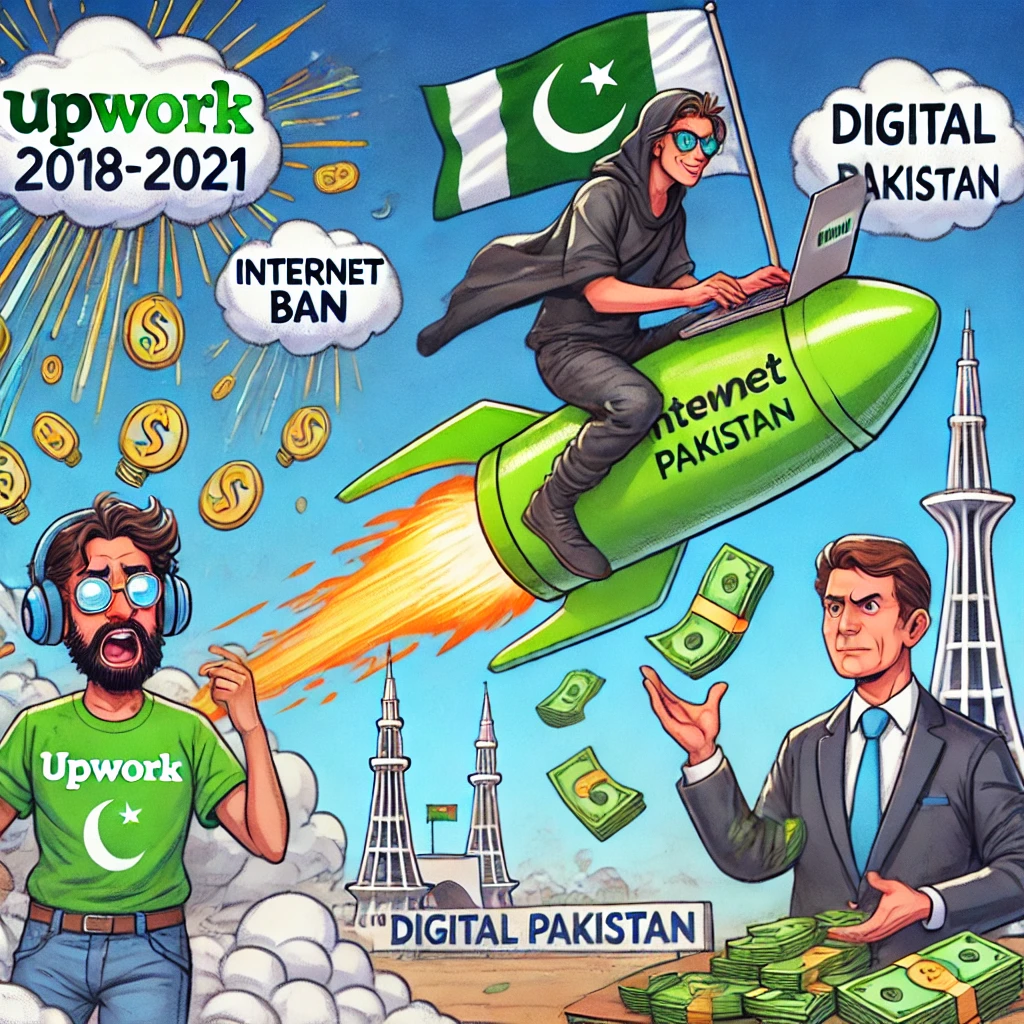
How Haram VPNs Went from Hero to Villain: The Rise & Fall of Pakistan’s IT Industry (2018-2025) – Part 1: The Digital Dream (2018-2021)
TECHNOLOGY
2025-02-28
The Rise of Pakistan's Digital Dreams (2018-2021)
Between 2018 and 2021, Pakistan’s IT industry experienced unprecedented growth. Freelancers gained global recognition, startups secured investments, and the government championed digitalization efforts. These years laid the foundation for a tech-driven future, fostering innovation, entrepreneurship, and digital literacy across the country.
Pakistan’s IT Boom: A Golden Era in the Making
- Freelancers Flourished: Pakistan ranked fourth globally in freelance growth, with a 47% year-over-year increase in freelancer earnings (Payoneer Global Gig Economy Index 2019).
- Startups Attracted Investment: The startup ecosystem saw a 300% surge in funding, reaching $350 million by 2021 (Invest2Innovate).
- Government Support: The Digital Pakistan Vision was launched in 2019 to drive tech adoption and innovation.
- Skill Development Programs: Initiatives like PIAIC (Presidential Initiative for Artificial Intelligence & Computing) and DigiSkills provided IT training to thousands of individuals, equipping them with modern digital skills.
- New Tech Startups: Companies like Airlift and Bazaar emerged, redefining e-commerce and logistics in Pakistan.
This period saw Pakistan making great strides in digital transformation, enabling a thriving digital economy and increasing opportunities for young entrepreneurs and professionals.
Expansion of the Freelance Ecosystem
Pakistan's freelance community became a major contributor to the global digital economy. The country was recognized as the fourth fastest-growing freelance market worldwide in 2019. The Payoneer Global Gig Economy Index 2019 ranked Pakistan fourth globally in freelance growth, with a 47% year-over-year increase in freelancer earnings. Platforms like Upwork and Fiverr saw a surge in Pakistani professionals offering diverse services, from graphic design to software development.
Government-Led Digital Initiatives
Recognizing the potential of the IT sector, the Pakistani government launched several initiatives, including the Digital Pakistan Vision, to enhance connectivity, improve digital infrastructure, and foster an environment conducive to tech innovation.
Incentives such as 100% tax credits on export income from IT and ITeS until June 2025 and the establishment of Software Technology Parks (STPs) were introduced to attract both local and foreign investments. Training programs like NITB and DigiSkills helped bridge the digital skills gap and enhance workforce capabilities.
Emerging Challenges: Internet Freedom and Policy Inconsistencies
Despite these positive developments, concerns regarding internet freedom began to surface. Reports from Freedom House in 2021 highlighted that internet freedom in Pakistan remained constricted, with the government maintaining tight control over the online environment.
The Pakistan Telecommunication Authority (PTA) imposed multiple bans on platforms like TikTok between 2020 and 2021, citing reasons related to "immoral and indecent" content (Wikipedia). Additionally, Twitter and TikTok faced further bans after April 2022, reflecting ongoing restrictions on digital platforms.
Additionally, the Prevention of Electronic Crimes Act (PECA) granted extensive monitoring powers to authorities, leading to concerns about potential overreach and suppression of dissenting voices online.
Balancing Growth with Regulation
The juxtaposition of rapid IT industry growth and increasing regulatory constraints presents a complex scenario. While the government's efforts to boost the digital economy have yielded tangible benefits, stringent controls over internet content and usage pose challenges to freedom of expression and innovation.
For sustained growth, engaging with stakeholders—including tech industry leaders, civil society, and international partners—can help in formulating policies that balance national security with digital freedom.
Conclusion
The period from 2018 to 2021 was transformative for Pakistan's IT industry, marked by impressive growth and increased global integration. Programs like PIAIC and DigiSkills played a crucial role in empowering individuals, while startups like Airlift and Bazaar reshaped the business landscape. However, the accompanying challenges related to internet freedom and policy consistency underscore the need for a nuanced approach to digital governance.
Ensuring that regulatory frameworks support rather than hinder technological advancement will be crucial in maintaining the upward trajectory of Pakistan's digital dreams. By fostering a balance between innovation and regulation, Pakistan can continue its journey towards a thriving digital future.
Pakistan’s IT sector flourished with a booming freelance market, rapid startup growth, and strong government-backed digital initiatives. However, early signs of trouble emerged, hinting at future challenges.